
Steps Involved in Paint Correction Services and Paint Rejuvenation Techniques

When I first learned about paint correction, I was amazed at how much it could transform a car’s appearance. If you care deeply about your vehicle’s look and want to keep it in pristine condition, understanding the steps involved in paint correction services is essential. This process is not just about making your car shine; it’s about restoring the paint to its original glory by removing imperfections like swirl marks, scratches, and oxidation.
In this post, I’ll walk you through the key steps involved in paint correction and share some effective paint rejuvenation techniques. Whether you’re a car enthusiast or simply want to protect your investment, this guide will help you appreciate the care and precision that goes into professional detailing.
Understanding Paint Rejuvenation Techniques
Paint rejuvenation is the heart of paint correction. It involves restoring the paint’s clarity and depth by carefully removing surface defects. The goal is to bring back that showroom finish without damaging the paint itself.
The process usually starts with a thorough wash to remove dirt and contaminants. Then, a clay bar treatment is applied to eliminate embedded particles that washing alone can’t remove. This step is crucial because any leftover debris can cause scratches during polishing.
Next comes the polishing stage, where different compounds and pads are used to gently abrade the clear coat. This step requires skill and patience, as the technician must choose the right combination of products to correct imperfections without over-polishing.
Finally, a protective layer such as wax or ceramic coating is applied to seal the paint and enhance its shine. This not only improves the look but also provides long-lasting protection against environmental damage.
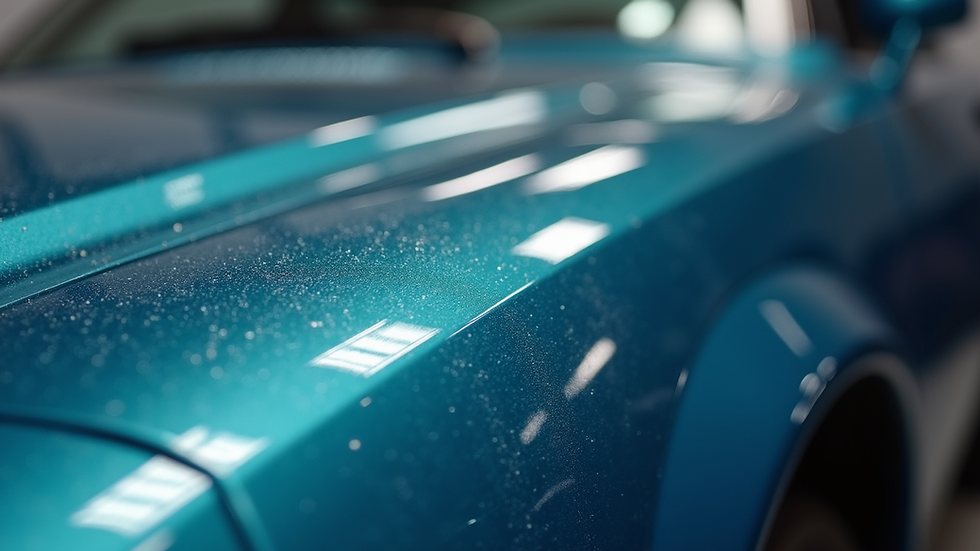
Polished paint surface showing restored clarity and shine
The Step-by-Step Process of Paint Correction
Let me break down the paint correction process into clear, manageable steps. This will give you a better idea of what to expect when you bring your car in for professional care.
1. Initial Inspection and Assessment
Before any work begins, a detailed inspection is essential. This helps identify the types and severity of paint defects. Using specialized lighting, the technician examines the paint for swirl marks, scratches, water spots, and oxidation.
This step is important because it determines the level of correction needed. Some cars may require just a light polish, while others might need multiple stages of correction.
2. Thorough Washing and Decontamination
Once the inspection is complete, the car is washed meticulously to remove surface dirt. This is followed by a clay bar treatment to remove bonded contaminants like tar, tree sap, and industrial fallout.
Skipping this step can lead to further damage during polishing, so it’s not something to rush.
3. Masking and Preparation
To protect sensitive areas such as rubber trims, plastic parts, and edges, masking tape is applied. This prevents accidental damage during the polishing process.
4. Paint Correction Polishing
This is the core of the process. Using a dual-action or rotary polisher, the technician applies polishing compounds with different abrasiveness levels. The goal is to remove a thin layer of the clear coat to eliminate defects.
Multiple polishing stages may be necessary, starting with a more aggressive compound and finishing with a fine polish to enhance gloss.
5. Final Inspection and Touch-ups
After polishing, the paint is inspected again under proper lighting. Any remaining imperfections are addressed with spot treatments.
6. Protective Coating Application
The last step is applying a protective layer. This could be a traditional wax, sealant, or a modern ceramic coating. This layer locks in the shine and protects the paint from UV rays, dirt, and minor scratches.

Applying a protective ceramic coating to enhance durability and shine
How Expensive Is a Paint Correction?
One of the questions I often hear is about the cost of paint correction. The price can vary widely depending on several factors:
Size of the vehicle: Larger vehicles require more time and materials.
Condition of the paint: Heavily damaged paint needs more extensive correction.
Number of correction stages: More stages mean higher costs.
Type of protective coating: Ceramic coatings are generally more expensive than wax.
On average, a single-stage correction might cost between $150 and $300, while multi-stage corrections can range from $500 to over $1,000. Adding a ceramic coating can add several hundred dollars more.
While it might seem costly, consider it an investment in your vehicle’s appearance and resale value. Proper paint correction can extend the life of your paint and keep your car looking newer for longer.
Tips for Maintaining Your Car’s Paint After Correction
After going through the paint correction process, it’s important to maintain the finish to keep it looking its best. Here are some practical tips I recommend:
Regular washing: Use a pH-balanced car shampoo and avoid harsh detergents.
Use microfiber towels: These reduce the risk of scratching during drying.
Avoid automatic car washes: The brushes can cause swirl marks.
Apply a maintenance wax or sealant: This helps protect the paint between professional coatings.
Park in shaded areas: UV rays can degrade the paint over time.
Address bird droppings and tree sap quickly: These can damage the paint if left untreated.
By following these simple steps, you can prolong the effects of paint correction and keep your car looking stunning.
Why Choose Professional Paint Correction Services?
While DIY kits are available, professional paint correction services offer several advantages. Experts have the right tools, products, and experience to safely restore your paint without causing damage.
At Automotive 7 Spa in Hamden, CT, for example, the team uses advanced techniques and high-quality materials to deliver meticulous results. They understand the nuances of different paint types and tailor their approach accordingly.
Choosing professionals means you get a thorough job that enhances your vehicle’s appearance and protects your investment for years to come.
If you want your car to look its absolute best, understanding the steps involved in paint correction and paint rejuvenation techniques is a great place to start. With the right care and expertise, your vehicle can maintain that fresh, glossy finish that turns heads wherever you go. Remember, a little attention to detail goes a long way in preserving your car’s beauty and value.


Comments