
Restoring Shine with Car Surface Correction Techniques

When I first started caring for my car, I quickly realized how important the paint finish is to its overall look. Over time, exposure to the sun, dirt, and everyday wear can dull that shine. That’s where car surface correction techniques come in. These methods help bring back the vibrant, glossy finish that makes a vehicle stand out. If you want your car to look its best, understanding these techniques is essential.
Understanding Car Surface Correction Techniques
Car surface correction techniques are a set of processes designed to remove imperfections from a vehicle’s paintwork. These imperfections can include swirl marks, light scratches, oxidation, and water spots. The goal is to restore the paint’s clarity and depth, making the surface smooth and reflective again.
The process usually involves several steps:
Cleaning and washing: Removing dirt and contaminants from the surface.
Claying: Using a clay bar to lift embedded particles that washing alone can’t remove.
Polishing: Applying a polishing compound to smooth out imperfections.
Buffing: Using a machine or hand tool to enhance the shine.
Sealing or waxing: Protecting the corrected surface with a layer of sealant or wax.
Each step plays a vital role in achieving a flawless finish. For example, skipping the claying step might leave tiny particles that cause scratches during polishing. Taking the time to do each part carefully ensures the best results.

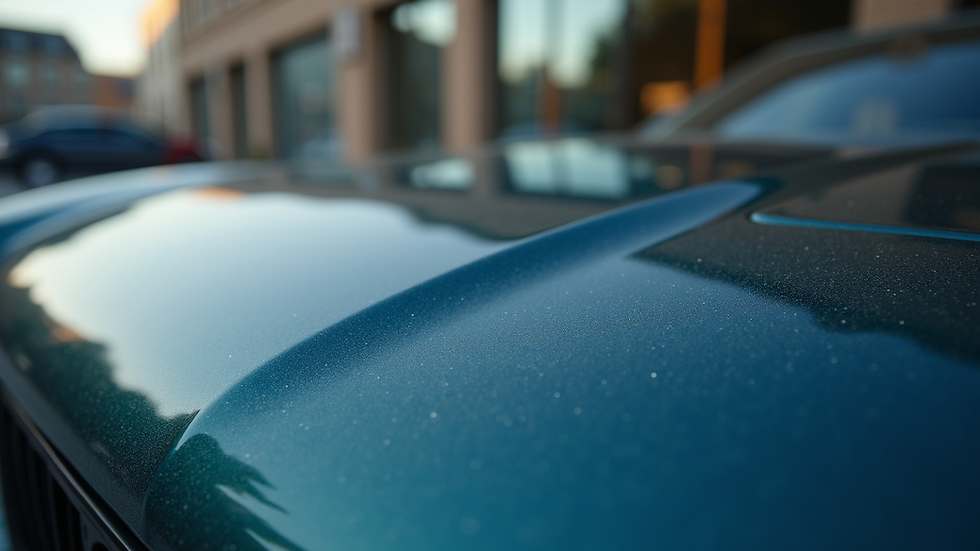
Close-up view of a car hood being polished to restore shine
How Car Surface Correction Techniques Protect Your Vehicle
Beyond just improving appearance, these techniques also protect your car’s paint. When the surface is smooth and free of defects, it’s less likely to trap dirt and moisture. This reduces the risk of rust and corrosion, which can cause long-term damage.
Additionally, after correction, applying a protective layer like a sealant or ceramic coating can extend the life of the paint. These coatings act as a barrier against UV rays, acid rain, bird droppings, and other harmful elements. This means your car stays looking newer for longer, saving you money on costly repairs or repainting.
If you’re serious about maintaining your vehicle’s value and appearance, investing in professional car surface correction techniques is a smart choice.
Will paint correction fix scratches?
One common question I hear is whether paint correction can fix scratches. The answer depends on the depth of the scratch. Paint correction is very effective at removing light surface scratches and swirl marks. These are usually caused by improper washing or everyday wear and tear.
However, deeper scratches that penetrate through the clear coat and into the paint or primer layer may not be fully removable with correction alone. In those cases, additional repair work like touch-up paint or repainting might be necessary.
That said, many minor scratches that seem noticeable at first can be significantly reduced or even eliminated with proper correction. It’s always worth consulting a professional to assess the damage and recommend the best approach.

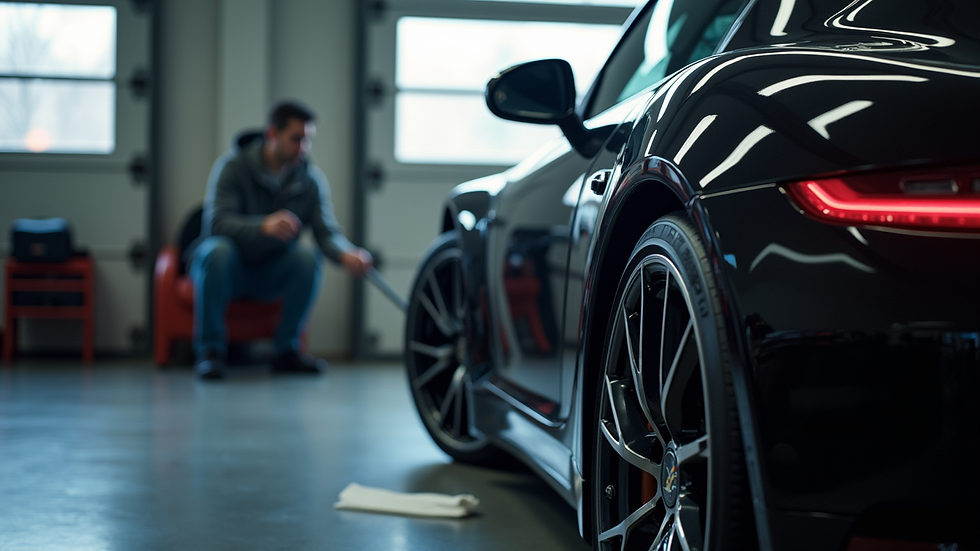
Eye-level view of a car door with visible swirl marks before correction
DIY vs. Professional Car Surface Correction Techniques
You might wonder if you can perform these techniques yourself. While there are DIY kits available, I recommend professional services for the best results. Here’s why:
Experience and skill: Professionals know how to handle different paint types and conditions without causing damage.
Proper tools: High-quality polishers, pads, and compounds make a big difference in effectiveness.
Time and effort: Correction can be time-consuming and physically demanding.
Guaranteed results: Professionals often provide warranties or satisfaction guarantees.
If you decide to try it yourself, start with a small, inconspicuous area and use gentle products. Avoid aggressive polishing that can thin the clear coat. But if you want a flawless finish and long-lasting protection, professional care is worth the investment.
Maintaining Your Car’s Shine After Correction
Once your car has undergone surface correction, keeping it looking great requires some care. Here are some tips I follow to maintain that fresh, glossy finish:
Regular washing: Use a pH-balanced car shampoo and soft microfiber mitts to avoid new scratches.
Avoid automatic car washes: Many use harsh brushes that can damage the paint.
Dry carefully: Use a clean microfiber towel to prevent water spots.
Apply a protective wax or sealant every few months: This adds a layer of defense against contaminants.
Park in shaded areas: Protect your car from UV damage when possible.
By following these simple steps, you can enjoy the benefits of car surface correction for a long time.
Why Choose Professional Services in Hamden, CT
If you live in or near Hamden, CT, finding a trusted professional for car surface correction is key. A local expert understands the regional climate and environmental factors that affect your vehicle’s paint. They can tailor their approach to provide the best protection and shine.
Choosing a reputable service means your car will receive meticulous care using the latest techniques and products. This attention to detail not only restores your car’s beauty but also helps maintain its value over time.
If you want your vehicle to look its absolute best, consider scheduling a consultation with a professional who specializes in car surface correction techniques.
Restoring your car’s shine is more than just a cosmetic upgrade. It’s about protecting your investment and enjoying the pride of driving a beautifully maintained vehicle. Whether you’re dealing with minor imperfections or want to bring back that showroom finish, car surface correction techniques offer a reliable solution. Take the time to care for your car properly, and it will reward you with a stunning appearance for years to come.
For more information on how to bring back your car’s brilliance, explore paint correction services and see the difference expert care can make.

Comments